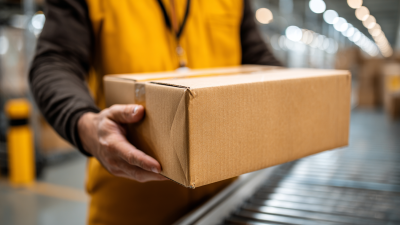
In today’s food industry, being efficient is a total must. People like John Carter, who’s been around the logistics block for years, often say, ‘Plastic Food Crates really change the game when it comes to storage and transport.’ They’re super lightweight but tough as nails, which makes them perfect for moving fresh produce without a hassle. Plus, they help keep things clean, which is, of course, huge when it comes to food safety.
What’s cool is that these crates come in all sorts of sizes, so stacking and organizing doesn’t turn into a headache. That kind of versatility really boosts how smoothly your workspace runs. But hey, not all crates are equal — some might miss key features like proper ventilation, and that can impact food quality if you’re not careful. So, it’s really important to pick the right ones.
Quality is everything here. Spending a bit more on good crates can save you money in the long run, because durable ones are less likely to break or cause waste, which can mess up your whole supply chain. Bottom line — taking the time to choose the right Plastic Food Crates is a pretty big deal for any food business out there.

Top Benefits of Using Plastic Food Crates for Storage and Transport
Plastic food crates have gained popularity for storage and transport across various industries. According to a recent report by the Food and Agriculture Organization, efficient storage solutions can reduce food waste by up to 30%. Using plastic crates helps maintain the quality of perishable items, thanks to their durability and resistance to moisture.
When transporting goods, lightweight plastic crates are a game changer. They weigh significantly less than wooden crates, making logistics easier. This can lead to reduced fuel consumption during transportation, aligning with sustainability goals. However, be mindful that overloading crates can compromise safety and efficiency. Always follow weight guidelines to ensure optimal transport.
Tips: Always inspect crates for wear and tear. Regular cleaning is essential to maintain hygiene standards. Consider using stackable designs, as they improve storage space and organization. While plastic crates can be recycled, not all end-of-life solutions are created equal. Reflect on the lifecycle of your crates and explore responsible disposal options.
Superior Durability of Plastic Food Crates Compared to Traditional Materials
Plastic food crates stand out with their superior durability compared to traditional materials. These crates are resistant to wear and tear, making them ideal for a variety of environments. Unlike wood or cardboard, plastic crates do not splinter or break easily. This is important in a busy kitchen or warehouse where efficiency matters. They maintain their shape even under heavy loads.
Moreover, plastic food crates are waterproof and can withstand temperature fluctuations. This makes them suitable for transporting products that need refrigeration. Wet conditions won’t affect them like they would with cardboard. However, one should consider that not all plastic crates are created equal. Some may become brittle over time if exposed to UV light. Testing different kinds for specific needs is crucial.
In addition, while plastic crates can be more costly upfront, their longevity can lead to savings. They can handle repeated use without the need for constant replacements. Still, individuals must weigh the initial investment against long-term benefits. Choosing the right tool for storage and transport involves careful thought and observation. It’s not always straightforward, but the advantages are often clear once explored.
Top Benefits of Using Plastic Food Crates for Storage and Transport
| Benefit |
Plastic Crates |
Traditional Materials |
| Durability |
Highly durable; resistant to cracks and breaks |
Susceptible to damage and wear over time |
| Weight |
Lightweight for easy handling |
Heavier; more difficult to transport |
| Cost Efficiency |
Long-lasting, reducing replacement costs |
Higher replacement costs due to wear |
| Hygiene |
Non-porous, easy to clean |
Can harbor bacteria and remain difficult to sanitize |
| Customization |
Available in various sizes and colors |
Limited color and size options |
| Environmental Impact |
Can be recycled; lower environmental footprint |
Often made from non-recyclable materials |
Impact on Food Safety: Reducing Contamination Risks with Plastic Crates
Plastic food crates are becoming essential for safe food handling. These crates significantly reduce contamination risks during storage and transportation. A study by the Food Safety and Inspection Service found that many foodborne illnesses stem from improper storage techniques. Using plastic crates can minimize this risk.
Plastic crates are non-porous and easy to clean. They do not absorb liquids or microorganisms. According to a report from the Global Food Safety Initiative, utilizing clean and hygienic transport containers can reduce contamination rates by up to 30%. This data highlights the effectiveness of plastic crates in maintaining food safety.
However, not all plastic crates are created equal. Some may degrade over time or become difficult to clean. It is essential to regularly inspect these crates for wear and tear. A poorly maintained crate can contribute to safety issues. Investing in high-quality, durable crates is crucial for maintaining a secure food storage environment.
Top Benefits of Using Plastic Food Crates for Storage and Transport
Cost Efficiency: Long-term Savings in Logistics and Storage Solutions
When it comes to logistics and storage, cost efficiency is crucial. Plastic food crates are designed to save money over time. They are durable and reusable, reducing the need for frequent replacements. Businesses can avoid constant expenses on single-use containers. This leads to substantial savings in the long run.
Transporting goods in sturdy plastic crates can also minimize damages. Fragile items are less likely to break during transit. This reduces waste and loss, adding to the overall cost efficiency. However, not all crates are created equal. It’s essential to choose the right size and shape for your products. Misjudgment can result in space wastage and inefficiencies in packing.
Investing in quality plastic crates may seem pricey initially. Yet, the long-term benefits often outweigh that initial cost. Regular evaluations of crate usage can uncover potential issues. Sometimes, practices can feel outdated or inefficient. Reflecting on these processes helps in maximizing the returns on investment.
Lightweight Design: Enhancing Handling and Reducing Shipping Costs
The lightweight design of plastic food crates significantly enhances handling during storage and transport. Weighing considerably less than their wooden counterparts, these crates can improve workforce efficiency. A report indicates that lightweight crates can reduce labor costs by up to 20% in warehousing. This is crucial as companies seek to optimize their operations. Employees can maneuver them easily, speeding up the packing and unpacking processes.
Shipping costs also benefit greatly from this lighter design. A study found that transport costs drop by about 15% when using lightweight materials. This reduction is due to lower fuel consumption and more efficient load capacity. However, it’s essential to consider durability; lighter materials can sometimes lead to faster wear and tear, prompting reevaluation in crate choice. The balance between weight and strength requires careful thought.
While the advantages of plastic crates are clear, not all products fit this solution perfectly. There may be cases where heavier items need sturdier options. The occasional need for reinforcement raises questions about long-term cost-effectiveness. Each organization must analyze its specific needs to find the most suitable storage solution. This nuanced approach often leads to better overall performance in logistics and supply chain management.
Sustainability: The Environmental Advantages of Recyclable Plastic Crates
Plastic food crates have become popular due to their environmental benefits. They are designed for durability and reuse. This means fewer crates end up in landfills. Many of these crates are made from recyclable materials. Once they reach the end of their life, they can be recycled again. This cycle helps reduce waste and conserve resources.
Using recyclable plastic crates can significantly lower the carbon footprint. Transporting goods in lightweight crates reduces fuel consumption. The efficient design allows for better space utilization. However, there are also concerns about the microplastics issue. Improper disposal or overuse can lead to environmental pollution. This brings to light the need for responsible use and recycling practices.
As the demand for sustainable solutions grows, these crates play a vital role. Their impact is felt in food storage and transportation. Yet, it's essential to remain mindful of their lifecycle. We must prioritize conscious consumption and responsible recycling. Only then can we fully realize the benefits of these modern storage solutions.
Statistical Insights: Industry Trends in Storage Solutions Utilizing Plastic Crates
The use of plastic food crates in the storage and transport sector has gained significant traction. Recent statistics show that over 70% of businesses prefer plastic crates due to their durability and lightweight nature. They are not only easy to stack but also versatile for various food items. This trend is noticeable among retailers and distributors who prioritize efficiency.
However, some challenges remain. Not all crates are designed equally, leading to concerns about long-term usage and sustainability. The industry faces a need for continuous innovation to improve design and material quality. Companies must think critically about supply chain management and how these crates fit into their broader storage solutions.
Data points reveal that nearly 30% of operators report issues with crate sizes not being compatible with existing systems. This disconnect requires businesses to reconsider their storage strategies. Adapting to these trends will be essential for remaining competitive and effective in transporting goods. As the market evolves, more insights into crate usage will emerge, guiding future development.
FAQS
: It can enhance productivity. It simplifies complex tasks. Users report feeling more organized and focused.
Follow the included instructions. Start with small tasks. Gradually incorporate it into your routine.
Some find it hard to adapt at first. Others may struggle with setting reminders. Regular practice helps overcome these issues.
Yes, it allows for collaboration. You can share tasks and updates easily. Communication features may vary.
Check the troubleshooting guide. Often, restarting the tool solves many issues. Reach out for help if needed.
Yes, initial setup may take time. Familiarity improves with regular usage. Patience is key during the learning phase.
Use built-in tracking features. Regularly review completed tasks and set new goals. Reflect on your improvement journey.
It benefits many users, but not all. Some may find it overwhelming or unnecessary. Consider your personal needs carefully.
Simply stop using it. Evaluate its effects on your productivity. Your experience will guide your next steps.
Ensure you read through all terms. Additional features may incur charges. Transparency is important; clarify before committing.
Conclusion
Plastic Food Crates offer numerous advantages for storage and transport, making them an essential choice in today’s logistics. Their superior durability compared to traditional materials ensures they can withstand heavy use and harsh conditions, while their lightweight design facilitates easier handling and reduces shipping costs. Moreover, these crates play a crucial role in enhancing food safety by minimizing contamination risks, which is vital for maintaining hygiene standards in the food industry.
In addition to their practical benefits, Plastic Food Crates contribute to cost efficiency, providing long-term savings in logistics and storage solutions. Their recyclability also highlights sustainability, aligning with the growing demand for environmentally friendly practices. As industry trends shift towards the increased utilization of plastic crates, businesses are recognizing the significant impact these storage solutions have on operational efficiency and environmental responsibility.