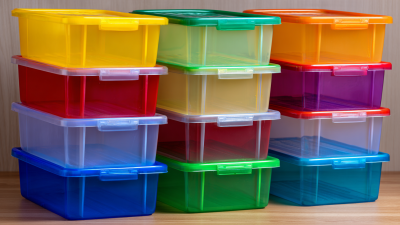
Picking the right storage solution really makes a huge difference when it comes to staying organized and getting stuff done efficiently. I came across what Jonathan Reed, a storage expert at Storage Pro, recently said—he mentioned that "Quality matters when choosing Plastic Stacking Boxes." It’s kind of a reminder that making smart choices here can really pay off in the long run by making sure these boxes actually do what they’re supposed to do.
Now, these Plastic Stacking Boxes come in all sorts of sizes and styles. So, it’s super important to think about how sturdy they are, how easy it is to grab what you need, and whether they stack well without toppling over. For example, if you go for a box with reinforced corners, it can handle heavier stuff without giving out—definitely a plus when stacking things up. Also, don’t forget to check out what materials they’re made of; some might not hold up so well over time, which could end up being a hassle.
And let’s not forget about flexibility. Honestly, a box that fits nicely in your space is way more practical than a one-size-fits-all kind of deal that might be too big or awkward to store. Thinking about what you actually need will help you set things up in a way that really works for you. Just keep in mind, not all Plastic Stacking Boxes are the same—getting familiar with their features and limits will save you a lot of headaches down the line.

Understanding the Benefits of Plastic Stacking Boxes for Storage
Plastic stacking boxes have become essential for efficient storage solutions. Their design maximizes vertical space, making them ideal for homes and warehouses alike. According to a market analysis by Smithers Pira, the global market for plastic packaging is growing at a rate of 3.5% per year, indicating a strong preference for versatile storage options like these boxes.
One of the main advantages is durability. Plastic stacking boxes are resistant to moisture, chemicals, and wear. This resistance ensures that stored items remain safe and intact. A study from the National Plastics Manufacturers Association highlights that 70% of users prefer plastic containers for long-term storage compared to alternatives. This reflects a shifting trend towards reliable solutions that offer longevity.
However, it's important to consider the need for organization. Poorly arranged boxes can lead to wasted space and time. Research shows that 80% of users experience frustration when accessing poorly organized storage. While the benefits of plastic stacking boxes are significant, their effectiveness hinges on how they are utilized. Proper labeling and thoughtful arrangement can make a world of difference in maximizing efficiency in storage.
Assessing the Size and Dimensions for Your Storage Needs
When choosing plastic stacking boxes, assessing size and dimensions is crucial for effective storage. A recent report by the Storage Solutions Institute highlights that 75% of consumers struggle with insufficient space due to poor sizing choices. Measuring your intended storage area is a fundamental step. It ensures that your boxes fit well without excessive gaps or overcrowding.
Consider weight capacity and box dimensions. Many boxes come in standard sizes but might not suit specific needs. A standard plastic box might measure 24x16x12 inches. However, if your items are smaller or bulkier, a customized size could optimize space better. Using a flexible measuring tape can help identify ideal dimensions for your items, particularly in tight spaces.
Furthermore, the accessibility of stacked boxes is often overlooked. Boxes that are too tall can create safety hazards. According to the National Safety Council, improper stacking can lead to 30% of storage-related injuries. Always evaluate how frequently you will access these items. Adjusting box heights and storing commonly used items at lower levels will facilitate ease and safety in your space management strategy.
Evaluating the Material Quality and Durability of Plastic Boxes
Choosing the right plastic stacking boxes for storage hinges significantly on material quality and durability. Industry reports indicate that the average lifespan of a well-manufactured plastic crate is about 10 to 15 years. This makes durability a crucial factor. Thinner plastics may be cheaper but often lead to cracks and breaks, especially under heavy loads.
High-density polyethylene (HDPE) and polypropylene (PP) are two types of plastics commonly used. HDPE offers excellent resistance to impact and UV rays, while PP is known for its strength and flexibility. Selecting boxes made from these materials can prevent premature wear and tear. However, not all products marketed as "durable" meet stringent testing standards. Some may look robust but fail under practical conditions.
Understanding the recycling capabilities of these materials is also essential. According to the Plastics Industry Association, about 30% of plastic containers in the industry are recycled. Therefore, opting for eco-friendly Plastic Stacking Crates can contribute to sustainable practices. It’s worth reflecting on how to balance cost and sturdiness in making decisions; sometimes, saving money leads to more frequent replacements and higher long-term costs.
Considering Weight Capacity and Load Distribution for Safety
When selecting plastic stacking boxes for storage, considering weight capacity and load distribution is essential. According to industry reports, improper load distribution can lead to accidents and damage. Understanding the weight limits of your chosen boxes can prevent overloading and potential collapses.
To start, assess the maximum load each box can handle. Many plastic stacking boxes vary in capacity, often ranging from 10 to 60 pounds. If you plan to stack multiple boxes, consider the combined weight. A box with a high weight capacity may not perform well when filled beyond its limits. Pay attention to how weight is distributed across the stacked boxes to ensure stability.
Evaluate the design features that influence load distribution. Boxes designed with reinforcements and ergonomic handles can enhance safety. Using rubber mats beneath stacked boxes can also absorb shock and minimize slippage. Remember, even small adjustments can create a huge difference.
Choosing the right plastic stacking boxes can make a significant impact on safety and efficiency in your storage solutions. Consider these factors carefully to make informed decisions.
Top 10 Tips for Choosing Plastic Stacking Boxes for Storage
| Tip Number |
Tip Description |
Weight Capacity |
Load Distribution |
| 1 |
Assess the total weight you need to store. |
Up to 30 lbs |
Even distribution recommended. |
| 2 |
Consider the stacking height for optimal use of space. |
25 lbs |
Stable stacking ensures safety. |
| 3 |
Choose durable materials that can withstand weight. |
Up to 40 lbs |
Ensure wide base for balance. |
| 4 |
Check for reinforced edges to prevent bending. |
35 lbs |
Check weight distribution. |
| 5 |
Evaluate the box's stacking shape for stability. |
30 lbs |
Flat surfaces support weight. |
| 6 |
Look for boxes with interlocking features. |
50 lbs |
Better load stability. |
| 7 |
Select boxes that are easy to clean and maintain. |
N/A |
Manageable weight distribution. |
| 8 |
Check for venting features to reduce moisture build-up. |
N/A |
Weight remains stable. |
| 9 |
Consider clear boxes for visibility. |
Up to 30 lbs |
Maintains load distribution. |
| 10 |
Assess size to maximize storage area usage. |
40 lbs |
Utilize space effectively for weight. |
Exploring Stackability Features to Maximize Storage Efficiency
When selecting plastic stacking boxes for storage, stackability is crucial. A 2021 study by the Storage Systems Association found that optimizing vertical space improves efficiency by 30%. This means that well-designed boxes can maximize your storage capacity without requiring more floor space. Look for boxes with interlocking features or base designs that allow for stable stacking. Some models have notches or grooves that help maintain balance, which can prevent tipping during use.
Many people overlook the material and design of Plastic Bin Boxes. Stackable boxes made of durable polypropylene can withstand significant weight. Yet, the flexibility of materials can also lead to issues like deformation over time. Users should routinely check their boxes for warping or cracking. When choosing, consider the load rating provided by manufacturers. A box rated for 50 pounds may not support heavier items well, leading to potential failures.
In addition to structural integrity, consider dimensions that suit your storage needs. Irregularly shaped items often require custom solutions. However, not all stacking options can accommodate such shapes. This can lead to inefficient use of space. Conduct thorough research to find the right dimensions that fit your items while still offering stackability. Investing time in understanding the features will pay off in enhanced organizational efficiency.
Identifying the Best Use Cases for Different Types of Plastic Boxes
When selecting plastic stacking boxes for storage, understanding their specific use cases is vital. Different environments require different features from storage solutions. For instance, if you're organizing tools in a garage, opt for heavy-duty
Plastic Cube Boxes that can withstand wear and tear. They should have a sturdy lid and a handle for easier transport. On the other hand, in a climate-controlled setting, lighter boxes may suffice, allowing for easy stacking and access.
Consider the material and design of the Plastic Cube Boxes. Some are transparent, allowing quick identification of contents, while others are opaque for privacy. Each type has its pros and cons. A box that fits perfectly in one area might not be the best choice for another space. Reflection on your storage needs is essential; a large box may look appealing but might be impractical if you need frequent access to small items.
Take note of the weight capacity. Can the boxes hold what you need? Flimsy designs can lead to disappointment, with items easily falling out or the box collapsing under pressure. Assess your items and their weight before committing. Ultimately, the right choice should enhance your organization and not create further clutter.
Researching Customer Reviews and Recommendations for Reliability
Researching customer reviews is essential when selecting plastic stacking boxes. These insights provide a glimpse into real-life experiences. Look for consistent themes and patterns in feedback. Users often share valuable information about durability and storage efficiency. Not every review will be positive, and that's normal. A mix of opinions helps paint a clearer picture of the product's reliability.
Consider the materials used in Plastic Pallet Boxes. Customers frequently comment on their sturdiness and resistance to wear and tear. Pay attention to issues raised in reviews. If multiple users mention cracks or fading, it’s worth investigating further. Visualize how these boxes will fit into your storage needs based on others' experiences. Some reviews may also discuss capacity, helping you assess if the box meets your requirements.
Reflect on your space and usage needs. What works for one person may not suit another. Read reviews with a critical eye. Some users may exaggerate their experiences, while others can be overly harsh. A balance of perspectives will guide you effectively. Take your time to sift through the information. Ultimately, informed decisions can lead to the perfect choice for your storage solutions.
FAQS
: They maximize vertical space and enhance efficiency in storage. They’re durable and protect items from moisture and chemicals.
A well-manufactured plastic crate can last between 10 to 15 years. Material quality is crucial for durability.
High-density polyethylene (HDPE) and polypropylene (PP) are recommended for resistance and strength. They prevent wear and tear.
Poorly arranged boxes lead to wasted space and frustration. Efficient labeling and arrangement can greatly enhance storage efficiency.
Research customer reviews for insights on durability and efficiency. Look for consistent feedback and patterns in user experiences.
Not all products meet testing standards, despite claims of durability. Some may look sturdy but fail under pressure.
Reflect on your space needs and the intended use. Not all boxes will suit everyone's requirements, so analyze reviews critically.
Approximately 30% of plastic containers are recycled. Choosing eco-friendly options contributes to sustainability efforts and may impact long-term costs.
Reviews vary, with some being overly positive or harsh. A mix of opinions provides a clearer picture of reliability.
Many users feel frustrated with accessing poorly organized storage. Proper arrangement is key to avoiding this frustration.
Conclusion
When selecting the right Plastic Stacking Boxes for storage, it’s essential to understand their numerous benefits, such as maximizing space and enhancing organization. Start by assessing the size and dimensions to ensure they fit your specific storage needs, taking into account the available space and the items you plan to store. Evaluating the material quality and durability is crucial for long-lasting use, while also considering the weight capacity and load distribution to maintain safety.
Additionally, you should explore stackability features that can help you optimize your storage efficiency. Different types of Plastic Stacking Boxes serve various purposes, so identifying the best use cases will tailor your choices to your requirements. Finally, researching customer reviews and recommendations can provide insights into the reliability of the boxes you are considering, ensuring you make an informed decision.